Returned Supplement Stock: Keep Review Holds Separate From Saleable Overstock
Separate returns from confirmed available stock and organize evidence for a responsible disposition review.
Nov 04, 2026 · Offsupplements Team · 3 min read
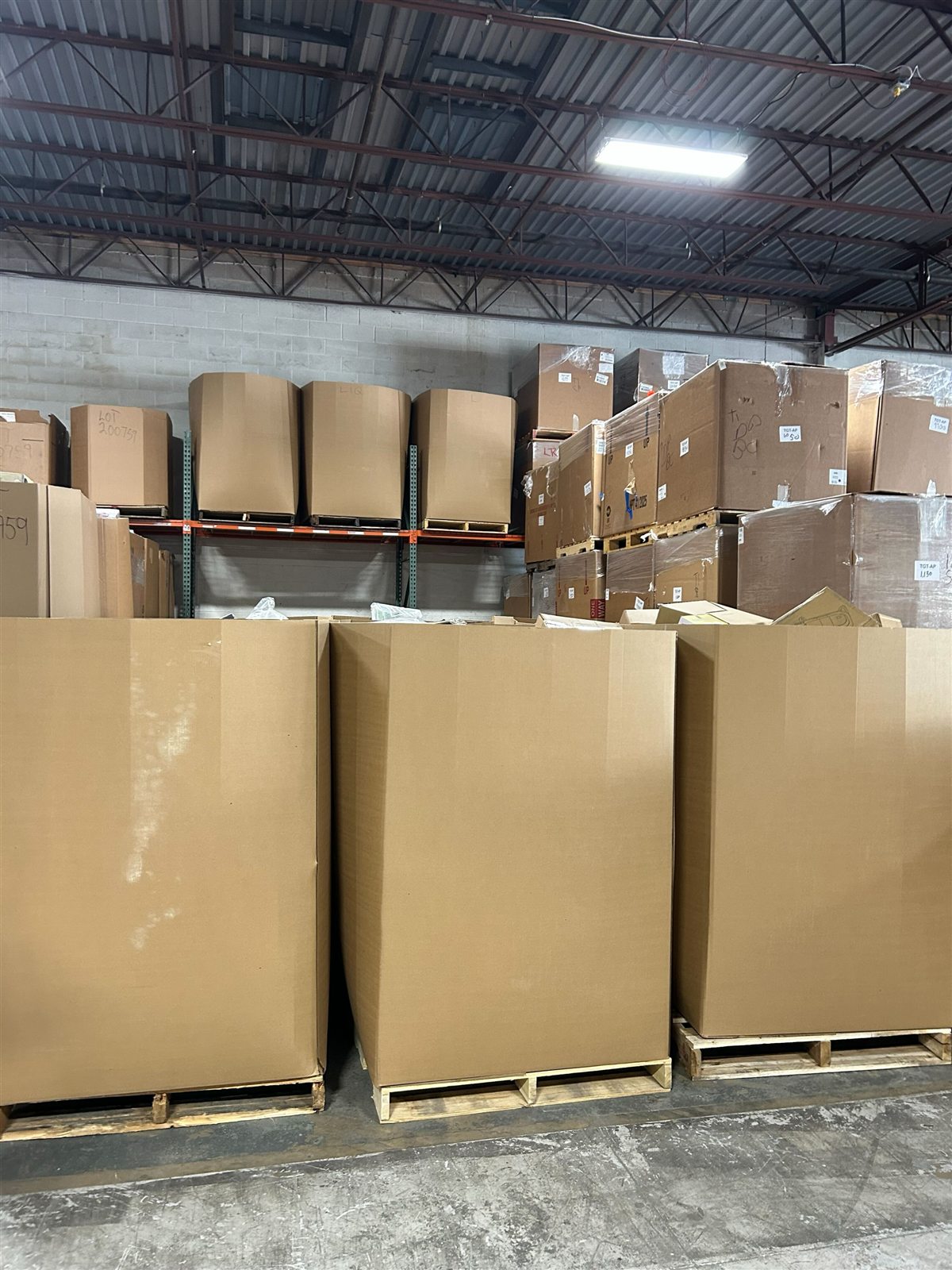
Returned supplements can arrive beside ordinary overstock even though their histories are very different. A sealed-looking package does not by itself explain where the unit has been or how it was handled. Mixing returns into an available balance before review can create misleading counts and condition descriptions. A disciplined intake process keeps returned stock identifiable, records the available evidence, and leaves disposition decisions with the responsible people rather than the commercial team trying to clear space.
Create a distinct intake category
Record returns separately from untouched warehouse overstock at receipt. Use a reference that connects the inbound record, product identity, quantity, location, and reason reported for the return. A reported reason is not a verified explanation, so label it accordingly. Keep unknown details explicit. Do not automatically classify a unit as available simply because its barcode matches a product that is already on the warehouse shelf.
Preserve the available history
Collect the relevant source records, return references, transport details, and any storage information actually available. Identify gaps without filling them with assumptions. A warehouse may know the condition observed at receipt but not what happened before then. Keep those two ideas separate. If a record covers a shipment generally rather than a specific returned lot, describe that scope so the reviewer understands the limitation.
Record observations, not assurances
Document visible package condition, seals, lot and date markings, and signs of damage using the agreed intake method. Note the inspection scope. Avoid declaring product integrity from external appearance alone. Where identity is uncertain, a seal is compromised, or history raises concerns, keep the affected stock on hold for the appropriate assessment. Photographs can support that review but do not replace it.
Keep hold locations and quantities controlled
Make held stock distinguishable in the warehouse system and physically identifiable under your procedures. Tell the picking team which references are excluded from commercial allocations. A spreadsheet comment is not enough if a normal order can still draw from the same balance. Reconcile hold quantities after movements so units cannot drift back into available stock when a pallet is moved or recounted.
Route disposition decisions properly
Provide the responsible reviewer with the evidence and open questions, and record the resulting decision with its scope. Do not treat a buyer's willingness to purchase as a release decision. Market eligibility, remaining shelf life, and product fitness require case-specific assessment. Expired or otherwise unfit inventory should not be offered for resale, and uncertain stock should not be relabeled as ordinary excess to simplify the transaction.
Update commercial records after the decision
Only update the available quantity after the relevant decision has been recorded and any required controls completed. Preserve the distinction between reviewed stock, excluded stock, and unresolved returns. If an earlier buyer summary included an inaccurate balance, correct it before proceeding. Keep the final disposition trail with the intake record so a later question can be answered without reconstructing the return from email fragments.
A practical final check
At the next warehouse review, choose one return reference and follow it through receipt, physical location, system status, evidence, and disposition. Can the team show why it is held or available and who made that decision? If not, keep the uncertainty visible and assign the missing action. Space pressure and commercial interest should not determine the answer to an unresolved product-condition question.
Discuss your inventory with Offsupplements
For a factual first discussion, send your inventory details to Offsupplements. Include the relevant lot references, printed dates, available quantities, location, and open questions. Keep unresolved holds outside the offered balance. Any potential transaction remains subject to review of the specific product, condition, documentation, buyer requirements, and proposed route.
Turn dead stock into working capital.
Tell us what you have. You get a firm offer within 24 hours — U.S. and export buyers, export available if you need it.
