Discontinued Supplement SKUs: Build a Controlled Closeout Plan
Separate commercial discontinuation from quality status and organize remaining supplement stock for a careful closeout review.
Nov 05, 2026 · Offsupplements Team · 3 min read
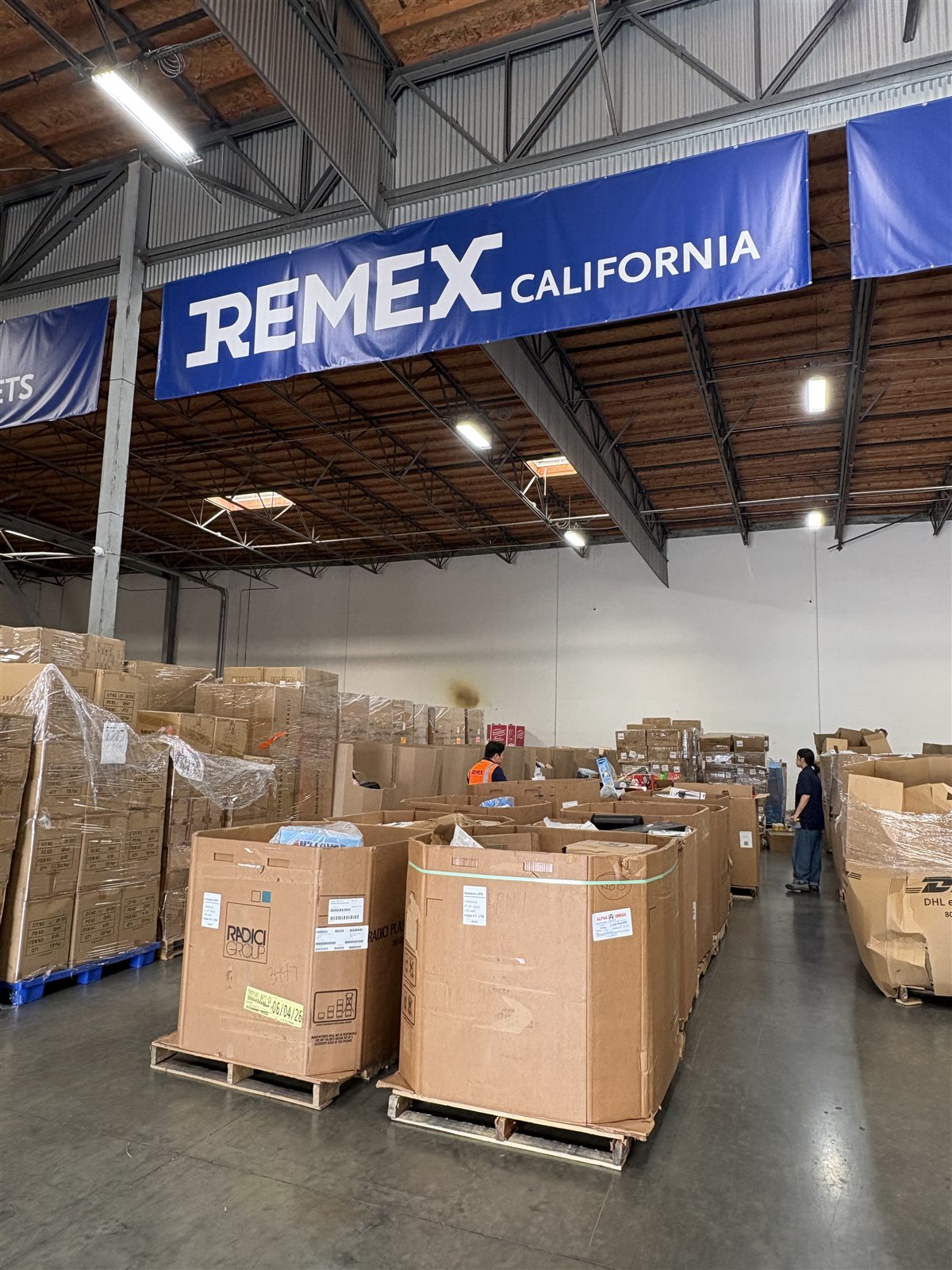
Discontinuing a supplement SKU is a commercial event, not a complete description of the remaining inventory. Stock may exist in several lots, packaging versions, and locations, with different reservations and review needs. A controlled closeout plan brings those details together before a seller chooses how to handle the balance. It also prevents a familiar mistake: allowing the word discontinued to imply either that everything is unusable or that every remaining unit is automatically suitable for another buyer.
Define what is being discontinued
Identify the exact product, size, variant, barcode, and internal SKU. Explain whether the change involves a product exit, a packaging transition, a replacement item, or another commercial decision. Keep the explanation factual and avoid unsupported claims about why demand changed. Where formulation, label, or identity questions exist, route them to the responsible team rather than describing the remaining stock as interchangeable with a successor product.
Build a true remaining balance
Combine location reports without losing lot-level detail. Separate open orders, reservations, samples, holds, and confirmed available units. Verify case packs and distinguish stock physically present from stock expected to arrive. Note the report date and owner. A closeout balance should not include the same units twice because a transfer appears in both the sending and receiving warehouse reports.
Set review gates for each segment
Group stock by the facts that affect review, such as printed dates, condition, packaging version, and available supporting evidence. Ask which questions must be answered before a commercial route can be considered. Keep held or unidentified inventory outside available offers. The fact that production has stopped does not remove the need to assess product fitness, destination suitability, or a buyer's specific acceptance criteria.
Coordinate with the existing business
Tell sales, purchasing, customer service, and warehouse teams which stock is under review and what commitments still take priority. Check whether replacement, warranty, or other business obligations require an internal reserve under your procedures. Do not promise that all inventory can be sold until those responsibilities are understood. Give one person authority to maintain the closeout allocation and communicate revisions.
Compare routes without inventing demand
Evaluate potential buyers or other appropriate disposition routes based on actual discussions and documented conditions. Do not assume that a familiar brand or a previous transaction guarantees a new outlet. Compare lot scope, preparation work, timing, and responsibilities as well as price. Expired or otherwise unfit inventory is not made suitable for resale by a closeout label or a discount.
Close the SKU with a final reconciliation
After each movement, update the remaining stock by lot and location. Keep a record of what was sold, reserved, held, or otherwise dispositioned through the responsible process. When the project ends, reconcile the system balance to the physical outcome and retain the supporting file. A SKU marked inactive in the catalog can still have an unresolved warehouse balance that needs attention.
A practical final check
A practical closeout page names the decision owner, lists remaining stock segments, identifies commitments and holds, records the route under review, and states the next decision date. Review it with warehouse and commercial teams together. If one group describes the balance differently, resolve the difference before circulating an offer. A controlled exit is a sequence of documented decisions, not one large inventory number with a closeout discount attached.
Discuss your inventory with Offsupplements
For a factual first discussion, send your inventory details to Offsupplements. Include the relevant lot references, printed dates, available quantities, location, and open questions. Keep unresolved holds outside the offered balance. Any potential transaction remains subject to review of the specific product, condition, documentation, buyer requirements, and proposed route.
Turn dead stock into working capital.
Tell us what you have. You get a firm offer within 24 hours — U.S. and export buyers, export available if you need it.
