Cases, Bottles, and Multipacks: Make Supplement Inventory Units Unambiguous
A carton count means little without a verified pack definition. Build a clear unit hierarchy for supplement overstock, separate partial cases, document mixed configurations, and align quoted quantities with dispatch and receiving records before agreeing on an inventory allocation.
Nov 11, 2026 · Offsupplements Team · 4 min read
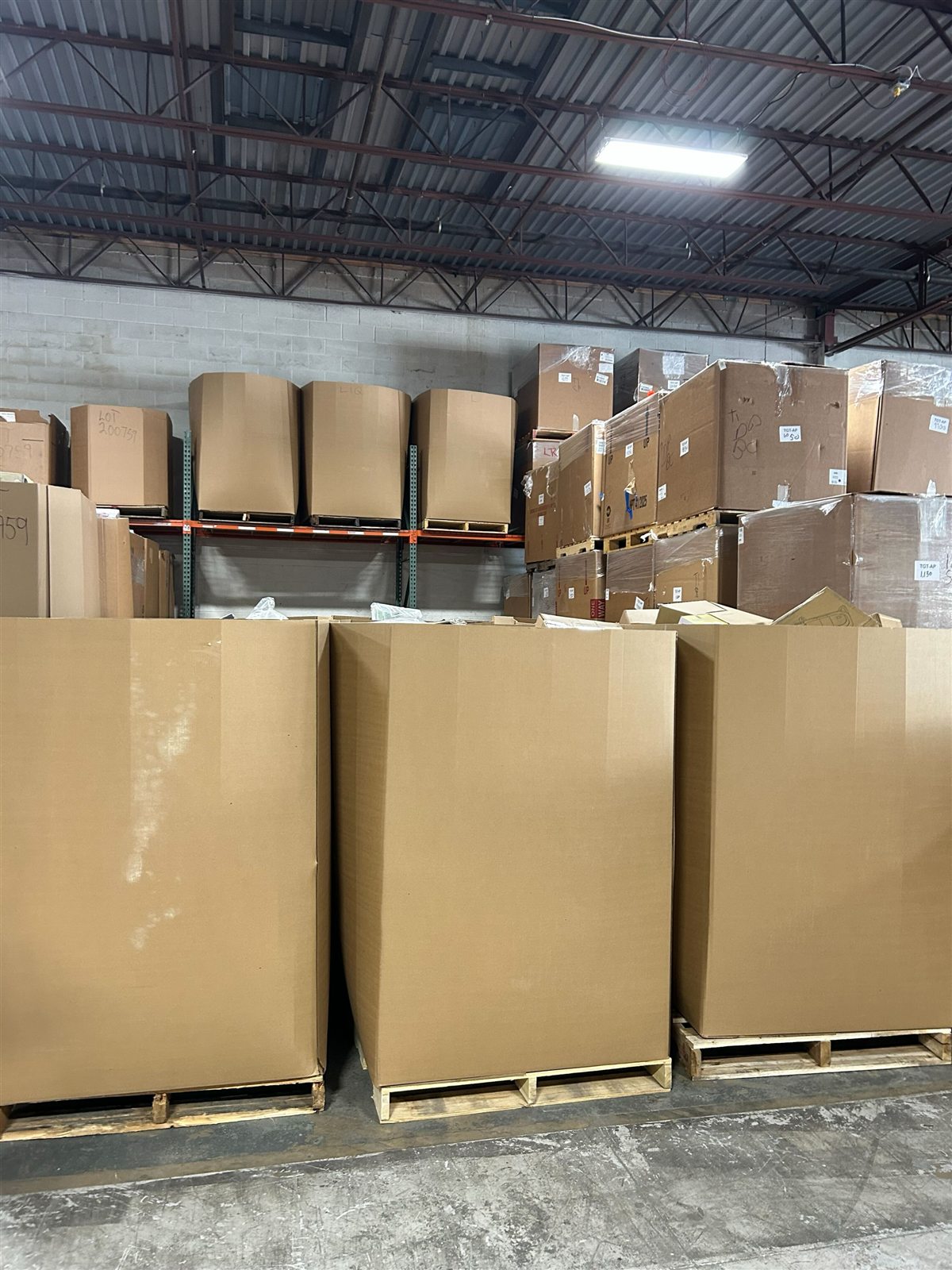
A supplement inventory spreadsheet can look precise while leaving its most important number undefined. Does “quantity” mean bottles, retail multipacks, inner cartons, or shipping cases? If different teams choose different meanings, a physically correct count can produce an incorrect offer or dispatch instruction. A unit-of-measure crosswalk makes those meanings explicit. Build it around the actual packaging configuration, not an assumed standard pack size or a convenient number from an older product listing.
Start with the unit the buyer would receive
Identify the intended selling unit before calculating totals. A single bottle and a manufacturer-packed bundle of bottles are different configurations, even when their contents appear similar. Record the product name, SKU, printed product identifier where available, and a plain-language definition such as “one unopened retail bottle” or “one original retail multipack.” Do not treat servings or capsules printed on a label as the number of retail units available. Those measures describe the contents, not the warehouse quantity.
Map each packaging level separately
Use distinct fields for retail units per inner pack, inner packs per shipping case, and retail units per complete case. Mark a packaging level as not applicable when it does not exist. Keep pallet count separate because a pallet is a handling unit, not a reliable conversion factor. Pallets may contain different numbers of cases or a mixture of products. Record the source of each conversion, the date checked, and the person responsible for verifying it.
Verify the configuration without disturbing protected stock
Compare available manufacturer packaging information with the actual case markings and documented warehouse observations. Use an authorized inspection method; do not break product seals simply to populate a spreadsheet. A photograph of a closed carton may show its printed pack quantity but does not independently prove its contents. If the records and markings disagree, preserve both references and flag the conversion as unresolved. Keep affected quantities outside a confirmed offer until the responsible team resolves the discrepancy.
Separate complete cases from partial cases
A partial outer case should not quietly inherit the quantity assigned to a full case. Record complete case count, confirmed loose retail units, and the condition of their original packaging separately. As an illustrative arithmetic example only, twelve complete cases containing eight retail bottles each plus three separately verified bottles would represent ninety-nine bottles. The example establishes no product eligibility or commercial value. Loose units remain subject to the same identification, packaging, documentation, and safety review as other stock.
Keep mixed configurations on different lines
Do not average pack sizes across an entire SKU. If one location holds an older case configuration and another holds a newer configuration, maintain separate rows until their identities and quantities are confirmed. Preserve lot references, printed dates, and location on each row. A change in case pack does not by itself establish whether the retail product changed. Likewise, similar packaging does not prove that two lots are interchangeable. Any product or labeling uncertainty needs its own review rather than a mathematical shortcut.
Make the price basis match the quantity basis
Label an indicative price or offer with its exact unit: per retail bottle, per original multipack, per complete case, or a total for the specified allocation. Include the agreed quantity and file revision so a reviewer can reproduce the calculation. Keep freight, handling, and other separately agreed costs distinct from the product conversion. If a buyer quotes by case while the seller tracks bottles, show both quantities and the verified conversion rather than relabeling the same number.
Carry the crosswalk through dispatch and receipt
Use the same definitions in the offered allocation, pick instructions, packing list, and receiving record. Before dispatch, reconcile the planned complete cases and partial quantities against the final physical preparation. Record any change instead of overwriting the original allocation without explanation. At receipt, compare both handling-unit counts and the agreed underlying retail-unit basis. This lets the parties investigate a difference without confusing a missing carton with a different case configuration.
Keep eligibility separate from arithmetic
Accurate multiplication is not a safety assessment. Exclude expired, recalled, spoiled, and safety-unverified inventory from resale, and keep unresolved identity, storage-history, or packaging concerns on hold for appropriate review. For a factual discussion of eligible overstock, send your inventory details to Offsupplements. Include the unit definitions, verified quantities, lot references, printed dates, location, and outstanding questions. Any potential transaction depends on the specific inventory and agreed requirements, not on a spreadsheet total alone.
Turn dead stock into working capital.
Tell us what you have. You get a firm offer within 24 hours — U.S. and export buyers, export available if you need it.
